
Establishing a legal entity is only the beginning of doing business. The next important duty is maintaining accurate accounts and tax records so an accounting firm can close the books and file tax returns correctly. Business owners should organize document storage and handover as follows.
1. Essential Documents at Start-Up or When Details Change
When engaging an accounting firm or changing company information, prepare the following legal identity documents:
- Legal-entity certificate with objectives (issued within the last 3–6 months)
- List of shareholders (บอจ.5)
- VAT registration certificate (ภ.พ.20) if VAT-registered
- Copies of the authorized directors’ ID cards and house registrations
2. Income Documents
Collect documents showing receipts through every channel, including full tax invoices and receipts issued to customers. Keep clear evidence for advance payments or deposits, as well as credit notes for returned goods or services, so the accounting firm can record income and output tax accurately.
3. Expense Documents
Expenses claimed for tax purposes must relate to the business. Prepare purchase tax invoices and receipts from suppliers.
Another essential record is the withholding tax certificate, both where the company has been subject to withholding and where it has withheld tax from others, for monthly ภ.ง.ด. 1, 3, or 53 filings.

4. Financial and Bank Documents
The accounting firm needs a bank statement for every account in the company’s name, including corporate credit-card accounts, to perform bank reconciliation and check whether book entries match actual cash movements. This helps prevent personal and company funds from being mixed.
5. Employee and Social Security Documents
If the business employs staff, prepare the payroll and evidence of social-security contribution remittance (แบบ สปส. 1-10). These records are important for calculating personal-income withholding tax (ภ.ง.ด.1) and the business’s deductible expenses.
6. Goods and Raw-Material Reports (If Applicable)
Businesses with inventory must maintain goods and raw-material reports and count inventory at least once a year. This allows the accounting firm and auditor (CPA or TA) to verify the cost of sales and inventory value.
Document Checklist by Category
| Document category | Examples of key documents |
|---|---|
| Legal entity / registration | Certificate, บอจ.5, ภ.พ.20, directors’ ID cards |
| Income | Sales tax invoices, receipts, credit notes |
| Expenses | Purchase tax invoices, receipts, withholding tax certificates |
| Finance / banking | Bank statements for every account, corporate credit card |
| Employees | Payroll, แบบ สปส. 1-10 |
| Inventory (if applicable) | Goods and raw-material reports, stock-count results |
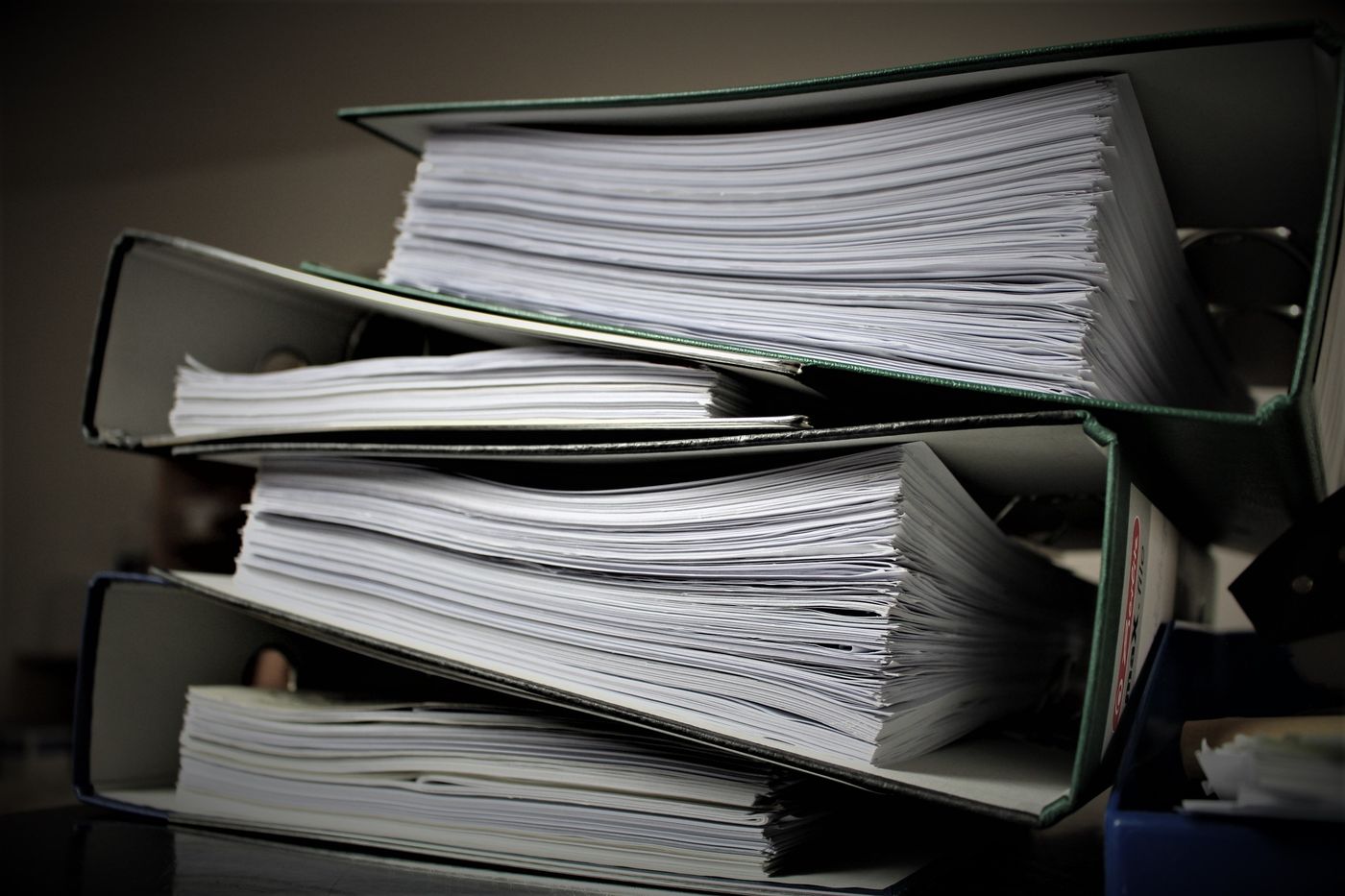
Important retention note: Under the Accounting Act, original paper documents must be retained for at least 5–7 years for Revenue Department inspection. Scanning them into digital files does not allow the originals to be destroyed unless special approval is obtained.
Document handover should be completed at the beginning of the following month so tax filings can meet the statutory calendar.
Want a professional team to manage your accounting and tax work end to end? View Maitrichit’s accounting services or contact us for a consultation.